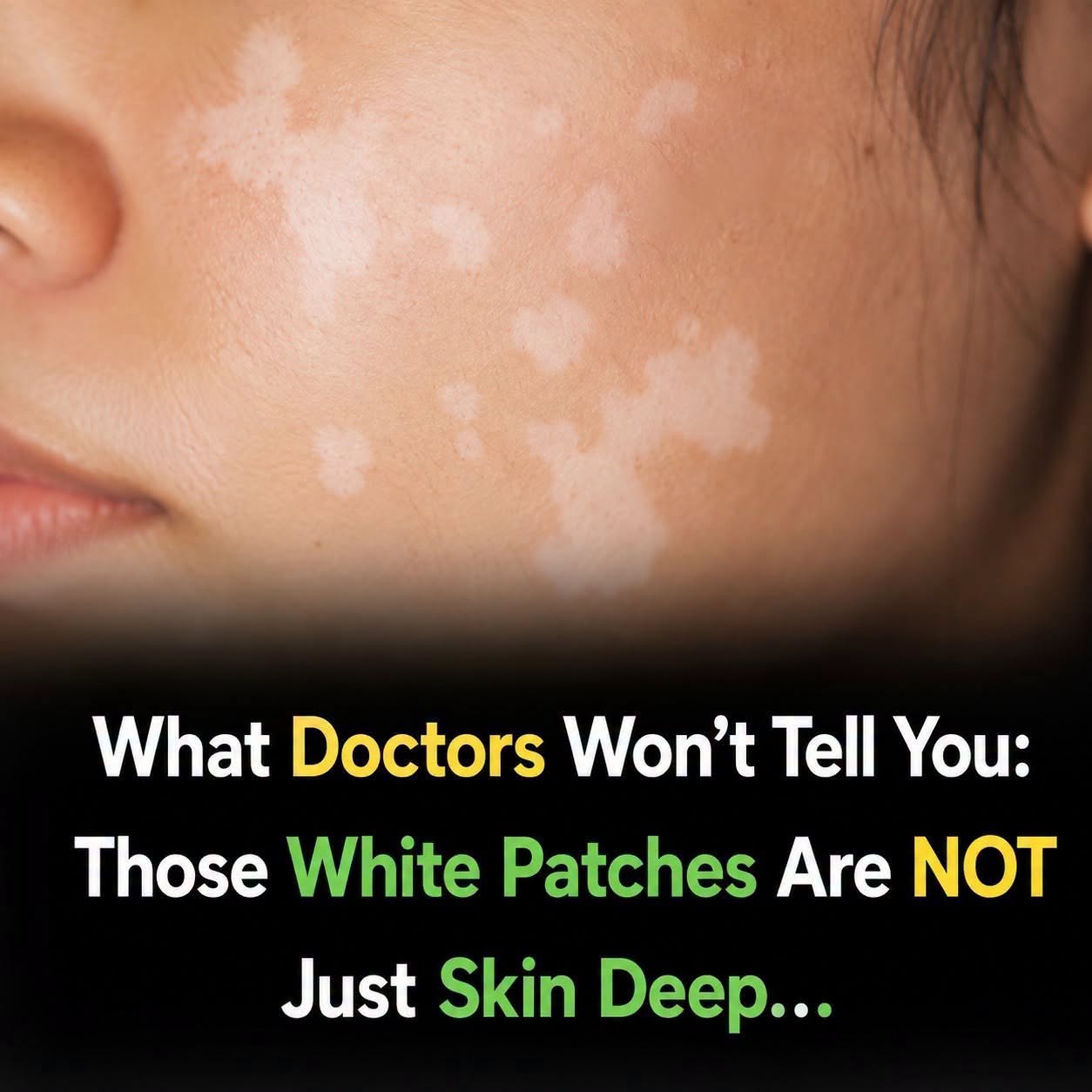
White spots on the skin can be unsettling, especially when they appear suddenly or become more visible in bright light. While these patches are often harmless, the article says, they can sometimes reflect an underlying nutritional imbalance that affects the body’s ability to create pigment. Vitamins play a key role in maintaining even skin tone, and deficiencies may interfere with melanin production — understanding how specific nutrients influence pigmentation can help you notice early changes and support healthier skin.
Vitamin B12 supports healthy red blood cells and nerve function, but low levels have also been linked to reduced melanin production — a deficiency may contribute to lighter patches, particularly in people following a vegetarian or vegan diet or those with absorption issues. Vitamin D is essential for immune system function and skin health; a deficiency may increase the risk of pigment irregularities, and the article says research has associated low vitamin D levels with vitiligo, an autoimmune condition in which pigment-producing cells are lost.
Other nutrients play a role too. Zinc and copper are involved in maintaining healthy skin and supporting melanin production — copper, in particular, plays a direct role in melanin production, and deficiencies in these minerals may affect melanin production and skin-tone balance. Vitamin E is a powerful antioxidant that helps protect skin cells from oxidative stress; low levels may weaken the skin’s ability to defend itself, potentially allowing pigment changes to develop. Vitamin C supports collagen production and skin repair and helps protect melanocytes, the cells responsible for producing pigment; low levels may increase vulnerability to pigmentation irregularities.
A balanced diet rich in dairy, eggs, fortified foods, fatty fish, leafy greens, nuts and seeds can help support healthy vitamin levels — though diet alone cannot always correct a deficiency, especially if absorption is the issue. And white spots are not always linked to nutrition: fungal infections like tinea versicolor, eczema, post-inflammatory hypopigmentation and vitiligo can also cause them. If the patches spread, change colour or come with other symptoms, the article says it is important to consult a dermatologist, who can assess the cause and, if needed, test for nutrient deficiencies.