Why Your Hands Keep Falling Asleep—and When You Should Pay Attention
It usually starts quietly—just a slight tingling, a numb feeling creeping into your fingers, like your hand isn’t fully “there” anymore. Most people shake it off without thinking twice. But when it keeps happening, especially at night or during simple daily activities, it can start to feel like something deeper is going on. That uncomfortable pins-and-needles sensation isn’t random—it can be a sign that a nerve is being compressed or irritated.
In many cases, the cause is temporary pressure on a nerve. When you sleep on your arm, rest your elbow too long, or keep your wrist bent, you can temporarily interfere with normal nerve signaling. Once the pressure is removed, sensation usually returns gradually, which is why moving or shaking your hand may help.
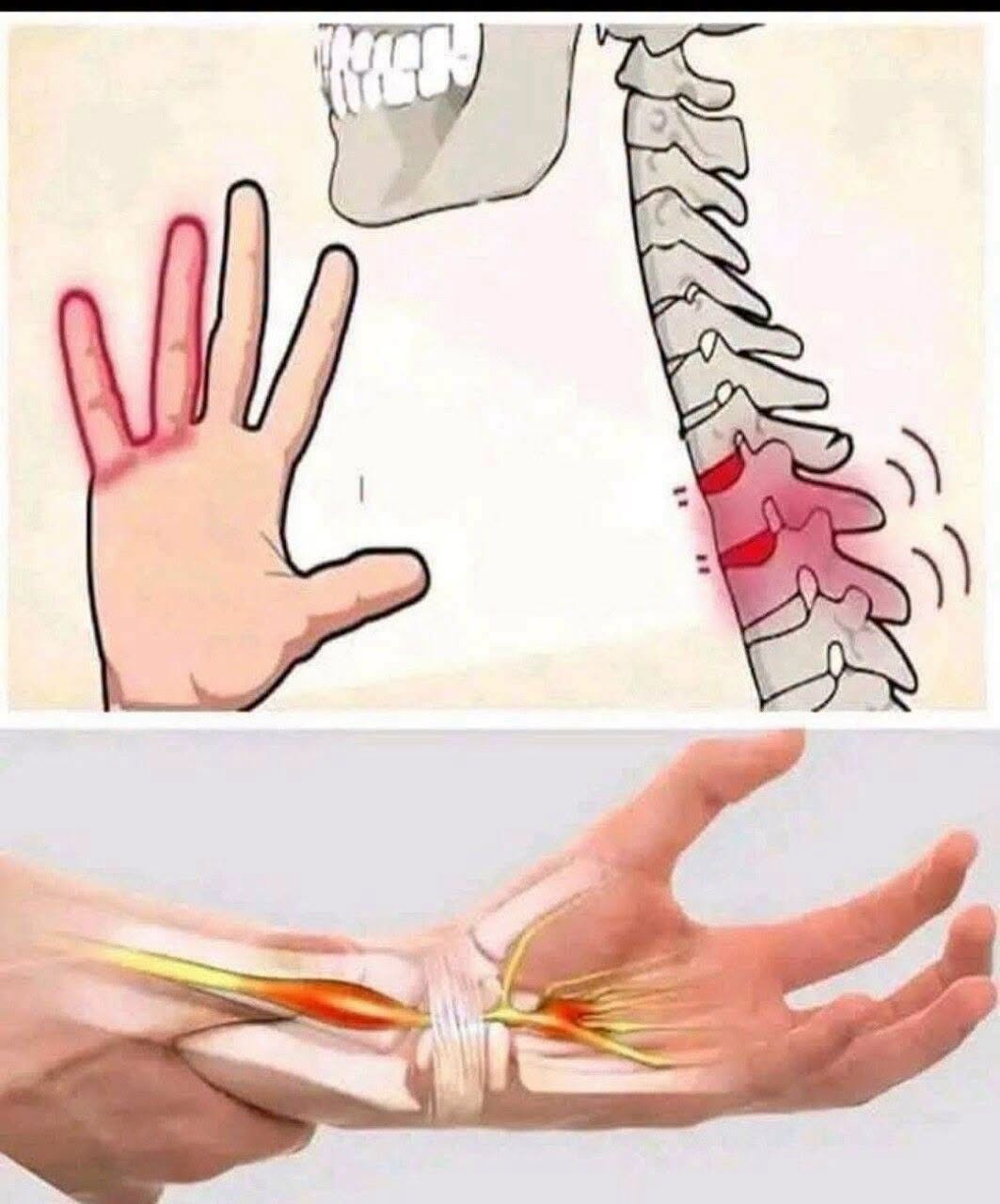
However, frequent numbness can sometimes be associated with conditions such as carpal tunnel syndrome or irritation of nerves in the neck. Carpal tunnel syndrome involves compression of the median nerve at the wrist and commonly causes tingling or numbness in the thumb, index, middle, and part of the ring finger. Problems affecting nerves in the cervical spine can also cause symptoms that travel from the neck or shoulder down the arm into the hand.
Other factors can contribute as well, including diabetes, certain vitamin deficiencies, repetitive movements, prolonged pressure on a nerve, and some medications or other medical conditions. The exact pattern matters: which fingers are affected, whether one or both hands are involved, when the symptoms appear, and whether they are accompanied by pain, weakness, or other changes.
What You Can Do
If your hand occasionally becomes numb after sleeping in an awkward position or keeping your arm in one position for too long, changing position and gently moving the affected area may be enough. Try to avoid prolonged pressure on your elbows and wrists, and pay attention to your posture during activities such as typing or using a phone.
If symptoms keep returning, consider keeping track of when they happen and which fingers are affected. That information can help a healthcare professional determine whether the problem may be coming from the wrist, elbow, neck, or another source.
When Should You See a Doctor?
Repeated or persistent numbness deserves medical attention, particularly if it is becoming more frequent or is interfering with sleep, work, or everyday activities. You should also seek evaluation if numbness occurs with persistent pain, reduced sensation, difficulty gripping objects, or weakness in the hand or arm.
Sudden numbness or weakness—especially on one side of the body—can be an emergency when accompanied by symptoms such as facial drooping, trouble speaking, severe dizziness, or difficulty walking. In that situation, seek emergency medical care immediately.
The Bottom Line
Occasional “pins and needles” after sleeping on your arm is common. But numbness that repeatedly returns, lasts longer than expected, spreads, or comes with weakness or pain is worth investigating. The sooner the underlying cause is identified, the sooner appropriate treatment or lifestyle changes can be considered.
Your hands may be small parts of your body, but changes in their sensation can provide important clues. Instead of simply shaking off repeated numbness, pay attention to the pattern—and talk with a healthcare professional if it keeps happening.