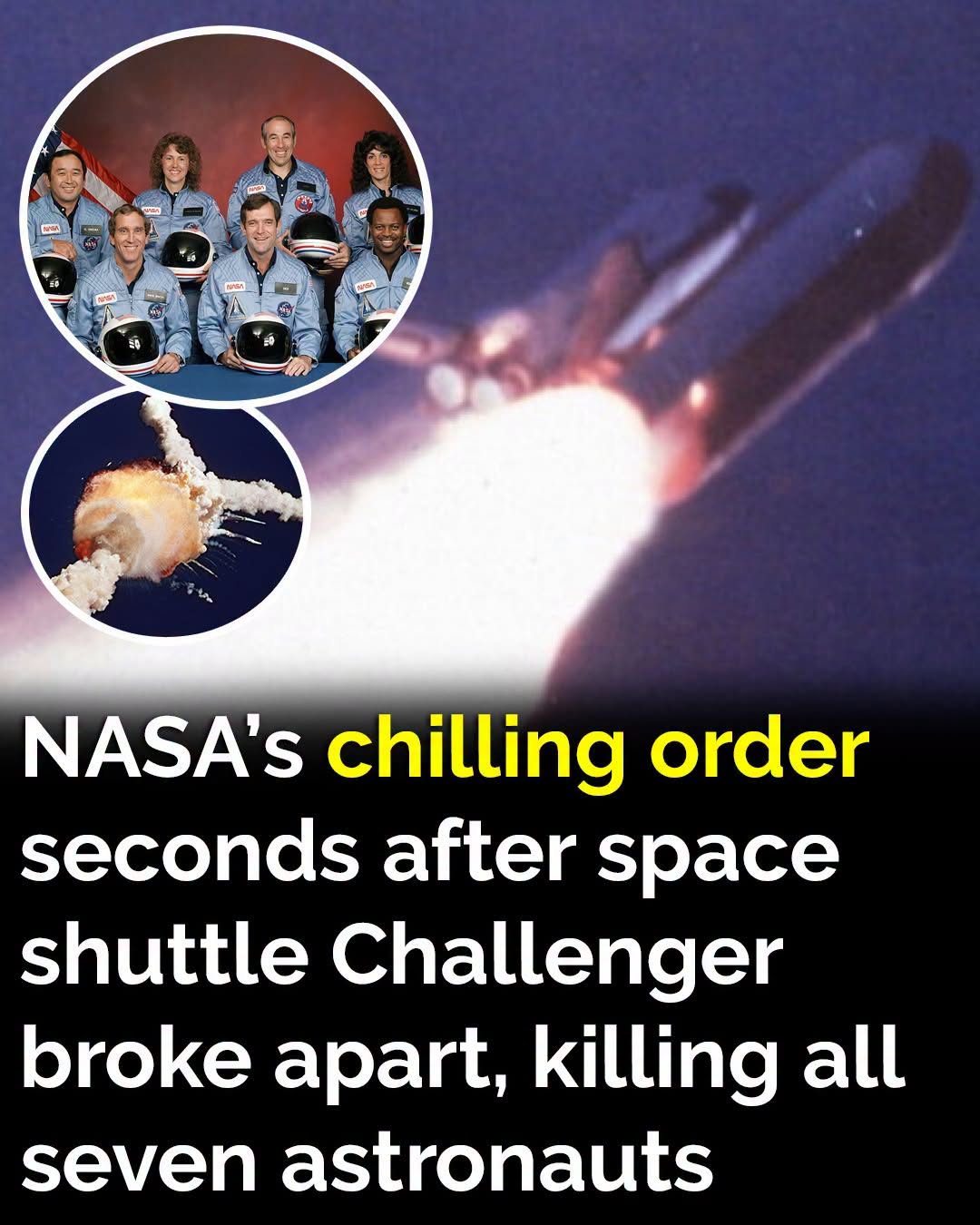
Forty years on, the Space Shuttle Challenger disaster of 28 January 1986 still shocks: the shuttle lifted off from Florida carrying seven people, including New Hampshire teacher Christa McAuliffe, who had planned to teach lessons from space. Just 73 seconds after liftoff it disintegrated, killing all seven crew members as a nation watched in disbelief.
In the seconds after the breakup came the headline’s eerie order: with debris spreading across the sky, a range safety officer commanded the destruction of the still-flying solid rocket boosters — which had survived the breakup and kept flying — to protect people on the ground below. At the same time, flight director Jay Greene ordered controllers in Mission Control to begin contingency procedures, preserving data and information investigators would later use.
The Rogers Commission later traced the disaster to a failed O-ring seal in the right solid rocket booster, compromised by unusually cold launch conditions. Engineers’ objections had not stopped the launch, and the investigation also exposed failures in NASA’s communication and management culture — so it was judged more than a mechanical breakdown.
Shuttle flights were halted for over two years while NASA introduced changes and redesigns. For the families left behind, no investigation or redesign could restore what was lost, a point the story closes on alongside the Houston memorial service.